Warframe’s Switch Leap: A 2018 Bet That Still Echoes in 2026
Warframe lands on Nintendo Switch November 20, 2018, with Panic Button porting Digital Extremes' free-to-play sci-fi shooter to handheld.
In a Nintendo Direct that felt, for a moment, like a door swinging open, Nintendo and Digital Extremes confirmed that Warframe would come to the Switch on November 20, 2018. For a free-to-play sci-fi juggernaut that had already passed 38 million players worldwide, this was more than a port announcement. It was the game's first portable iteration, a chance for the looter-shooter to slip out of the living room and into players' bags. The news landed with the kind of weight that makes a community sit up straight. No two ways about it.
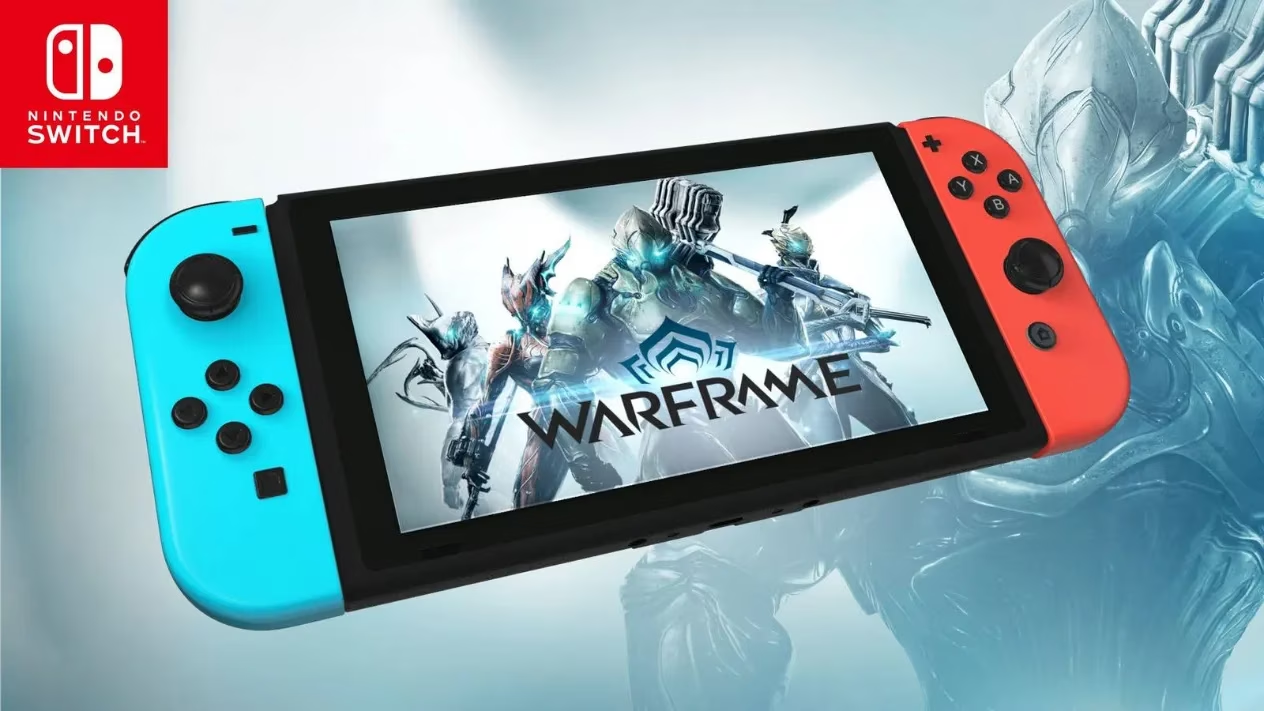
Warframe had debuted in 2013 with a mixed reception. But the game had spent years growing up. Continued updates and expansions turned an ambitious curiosity into a massive, loyal community. By the time the Switch version arrived, Digital Extremes had a living world on its hands. The pitch was simple: same free-to-play game, new audience, new way to play. The execution, however, needed a specialist.
Enter Panic Button. The studio had already brought DOOM and Wolfenstein II: The New Colossus to Switch, and its reputation walked into the room before the port did. That pedigree mattered. Switch owners had learned to watch which studio handled a port, and Panic Button's name was a signal that Warframe was not being tossed onto the handheld without care.
| Key fact | Detail |
|---|---|
| 🎮 Game | Warframe |
| 🏢 Original developer and publisher | Digital Extremes |
| 🛠️ Switch port developer | Panic Button |
| 📅 Switch launch date | November 20, 2018 |
| 🌍 Reach at announcement | More than 38 million players worldwide |
| 💻 Platforms at the time | PS4, Xbox One, PC, and Switch |
The list of promises was easy to read. The list of risks was longer. Warframe is a game of systems, builds, currencies, and constant motion. Shrinking that experience onto a handheld was not a copy-and-paste job. It was a translation. The fact that Panic Button had already handled demanding shooters gave the project a fighting chance, and the November 20 date gave players something concrete to circle on the calendar.
For Digital Extremes, the Switch version was also a statement. The game was available on PS4, Xbox One, and PC, but portability opened a different kind of play. A player could chip away at a mission on the train, check a build during a lunch break, or bring the game to a friend's house. That flexibility sounds ordinary in 2026. In 2018, it was a notable experiment for a free-to-play online game.
Why the moment mattered
-
🧳 It was Warframe's first portable iteration.
-
🧩 It introduced a deep, update-driven game to a new audience.
-
🤝 It leaned on Panic Button's porting track record.
-
📆 It gave the Switch a major free-to-play release with a firm date.
The launch did not erase the game's earlier struggles. Warframe's 2013 debut had been mixed, and its later success came from patience. Updates and expansions kept the conversation alive. The Switch version became another branch on that same tree. It was not a reset. It was an invitation.
By 2026, the Nintendo Direct reveal reads like an early chapter in a longer story. Portability is no longer a novelty; it is part of how players expect to meet big games. Warframe's own journey has continued to evolve, with years of updates and a community that treats the game as a place to return to. The 2018 Switch launch did not create that loyalty by itself. It did something simpler. It let the game travel.
What happened next? The answer lives in the years that followed. Still, the date remains a clean line in the sand. On November 20, 2018, Warframe stepped onto a Nintendo handheld for the first time. The door opened. The community walked through. It was a marathon, not a sprint.
This discussion is informed by PC Gamer, whose reporting helps frame why Warframe's 2018 Nintendo Switch debut mattered beyond a simple platform expansion: bringing a sprawling, constantly updated online shooter to handheld play signaled both technical ambition and a broader shift in how live-service games could reach players outside the usual console-and-PC setup.