Warframe’s Scarlet Spear in 2026: A Glorious, Glitchy Relic
Warframe's Scarlet Spear retrospective: strong co-op rewards and Railjack highs, marred by bugs, opaque systems, and a punishing economy.
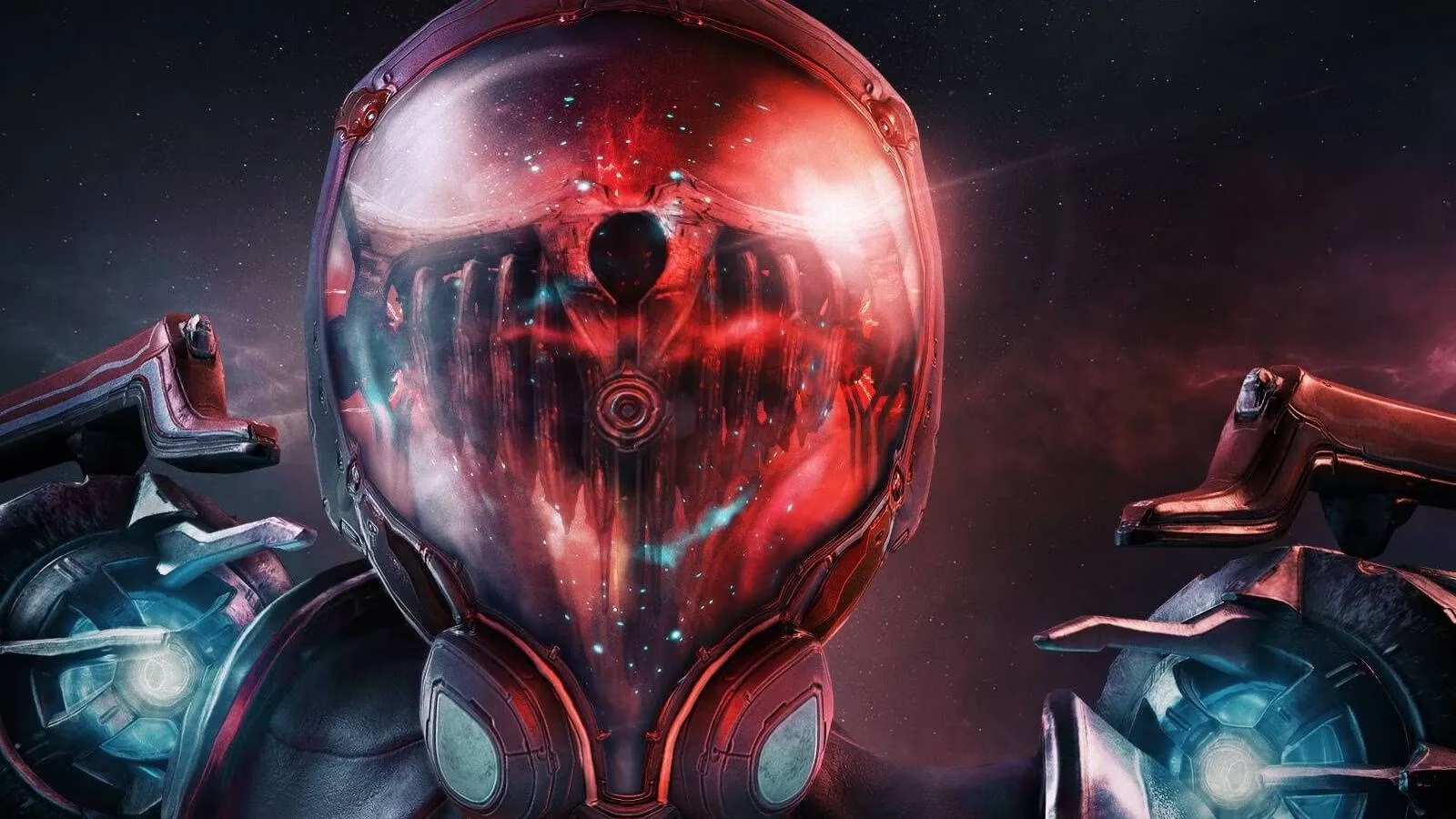
I still remember Operation Scarlet Spear less as a clean event and more as a Rube Goldberg machine built from wet spaghetti: every part was theoretically connected, but the whole thing wobbled whenever anyone touched it. In 2026, Warframe has moved well past that 2020 Sentient invasion, yet Scarlet Spear remains one of the most instructive events Digital Extremes has ever run. It gave us a genuinely fresh co-op loop, real lore momentum, and some excellent rewards. It also gave us bugs, opaque systems, and an economy that felt like a marathon where someone kept moving the finish line every three hours. If you missed it—or you are a newer Tenno wondering why veterans talk about it with a mix of fondness and a twitching eye—here is my retrospective on what worked and what absolutely did not.
| What I loved | What made me sigh |
|---|---|
| Ground combat against the Condrix | Time-limited exclusive rewards |
| Strong weapons and Arcanes | Opaque code-upload system |
| Railjack co-op that finally clicked | No meaningful in-game tutorial |
| Shared Flotilla progress | Punishing Scarlet Credit economy |
| Sentient lore setup | Bugs, host migrations, and lost bonuses |
The Good: Scarlet Spear Had Real Ideas
1. Ground missions were a genuine change of pace. Fighting Sentients is usually reserved for boss fights or special Lua content, so Scarlet Spear putting an army of them in front of us felt special. The Condrix was a towering threat that summoned weaker Sentients, and the mission loop borrowed just enough from Mobile Defense to feel familiar without feeling lazy. Defeating the Condrix, uploading a code, and defending OpLink beacons gave min-maxed builds a chance to shine. I liked that it asked for both burst damage and positional discipline.
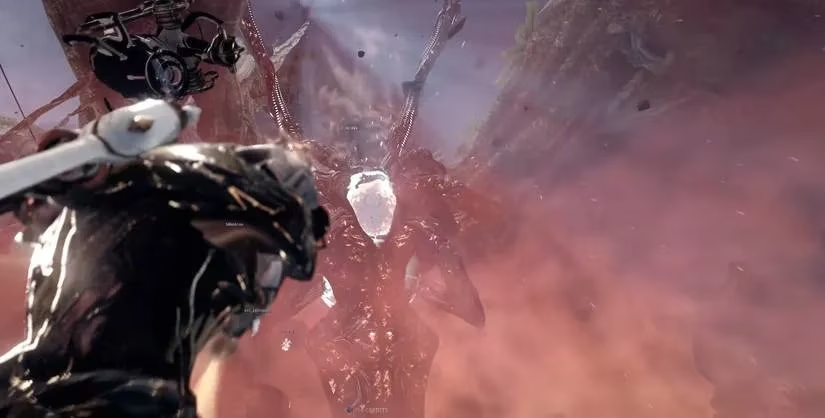
2. The rewards were worth chasing. Scarlet Spear added the Basmu rifle and the Ceti Lacera blade and whip, both of which were genuinely strong. Clan Sigils had been requested for years, and the event finally delivered them. Best of all, Little Duck sold Arcanes for Scarlet Credits, giving players an alternative to Eidolon hunting. Only common and uncommon Arcanes were available at first, but the developers said rare and legendary Arcanes would arrive once the bugs were ironed out. For a limited-time event, that was a meaningful reward pool.

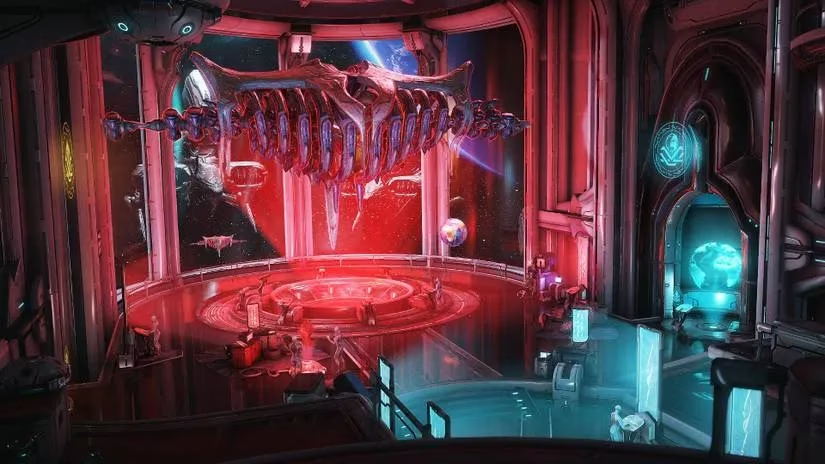
3. Railjack finally played to its strengths. Railjack launched as a buggy mess, but Scarlet Spear used it well. One player piloted while others manned side guns and fended off Sentient invaders. Flying through deep space and boarding a Sentient ship was one of Warframe’s coolest moments. Once inside, players switched back to their Warframes, which added welcome variety to a formula that can become predictable.
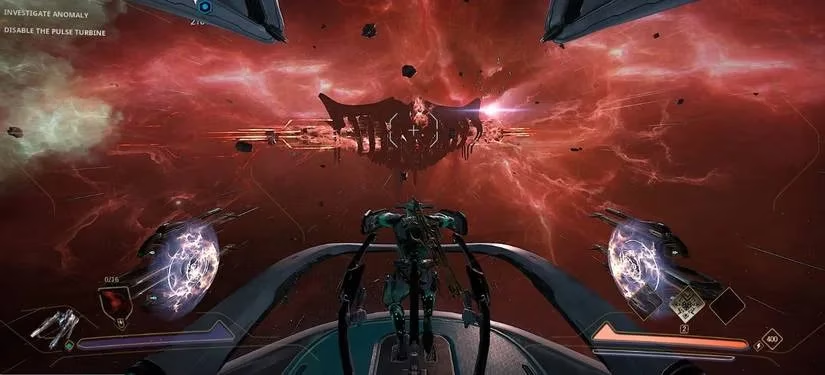
4. Co-op actually mattered. Warframe advertises itself as co-op focused, but many missions can be soloed without much coordination. Scarlet Spear encouraged real synergy. Ground teams and Railjack teams depended on each other, enemies scaled dangerously, and Flotillas shared progress inside a Relay. That shared progress reinforced the idea that everyone was working toward the same goal.
5. It expanded the lore in a meaningful way. Digital Extremes had teased the Sentient threat for years through Codex entries and early quests. Scarlet Spear was the first time we truly saw the size and danger of the Sentient army. With the Lotus’s fate uncertain, the event felt like a prologue to The New War. In 2026 we know how that story eventually paid off, but at the time it was exciting to watch the invasion begin.
The Bad: Ambition Without Enough Polish
1. The timed structure hurt. Scarlet Spear lasted one month, which was longer than most events but still short given the expensive exclusive items. Two new weapons, Sigils, Stance Forma, and cosmetics were tied to that window. Event items often return later, but the wait can range from months to years. The old Prime Chamber situation showed how long players can wait for a second chance. FOMO is always unpleasant, and Scarlet Spear leaned into it hard.
2. The code-upload system was cool in theory and frustrating in practice. Ground teams earned codes from Condrix enemies and uploaded them to Railjack teams so the space squad could finish its mission. The idea was brilliant: two squads in different spaces solving one problem. The execution was not. The game barely explained how OpLink worked, Railjack players were at the mercy of ground teams knowing the mechanic, and latency errors could make codes vanish. When that happened, everyone lost the Scarlet Credit bonus for working together.
3. The lack of a tutorial was jarring. Warframe has never been famous for great tutorials, but Scarlet Spear was especially opaque. Players had to visit forums or the fan wiki to understand Flotillas, Scarlet Credit bonuses, code uploads, and difficulty scaling. The event needed an in-game explanation, not a treasure map written in disappearing ink. A limited-time event should not require homework before the fun begins.
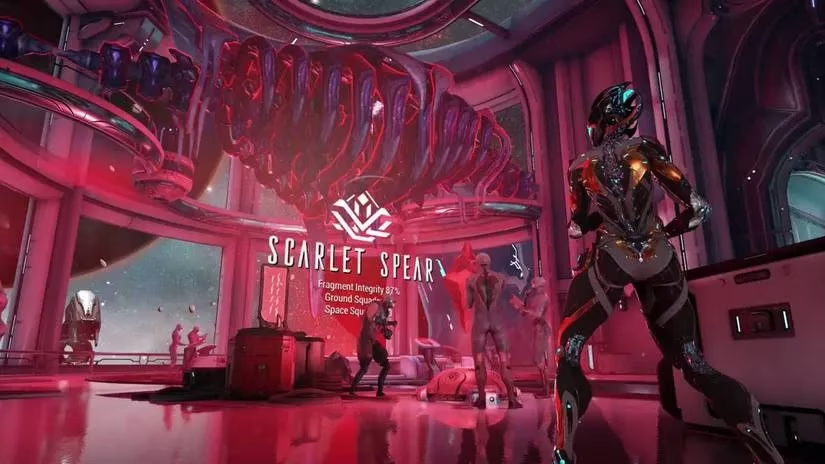
4. The economy was brutal. Players earned Scarlet Credits by completing missions and earning bonuses for their Flotilla. The event seemed balanced around optimal full clears and supporting a Relay full of players, both of which could take hours. Relay bonuses reset every three hours, which made the grind feel even less forgiving. For anyone who was not a hardcore player, the reward costs were daunting.
5. The bugs were the real final boss. Forced host migrations, lost bonuses, disappearing Railjack codes, and broken leaderboards all damaged Scarlet Spear. The community’s old Bugframe joke stopped being funny when a one-month event lost hours to technical problems. The foundation was fantastic—one of Warframe’s best event concepts—but the bug count made it hard to enjoy the grind while it lasted.
My Verdict in 2026
Would I want Scarlet Spear back exactly as it was? No. But I would love a reworked version. The core idea—ground squads and Railjack squads solving one problem across two spaces—is still one of the smartest co-op concepts Warframe has attempted. In 2026, Warframe has more polished systems and a much clearer story direction, but Scarlet Spear remains a useful reminder: ambition and polish need to travel together. When they do, Warframe co-op can feel like nothing else. When they do not, you get a brilliant event that players remember with both admiration and a headache. 🚀