The Day Warframe Folded a Galaxy Into My Switch
Warframe's Nintendo Switch port, handled by Panic Button, arrived Nov. 20, 2018, signaling the hybrid console's growing third-party library.
I still measure certain Nintendo Directs by the small earthquakes they set off in my backlog. The presentation that confirmed Warframe for the Switch felt less like a release date and more like a door unlocking in a house I thought I knew. Nintendo announced during that Direct that Digital Extremes' space-ninja epic would arrive on the hybrid console on November 20, 2018. I had played Warframe on PC, but the idea of carrying that sprawling solar-system grind onto a handheld felt like a street magician folding an entire solar system into a deck of cards: absurd, precise, and weirdly inevitable.
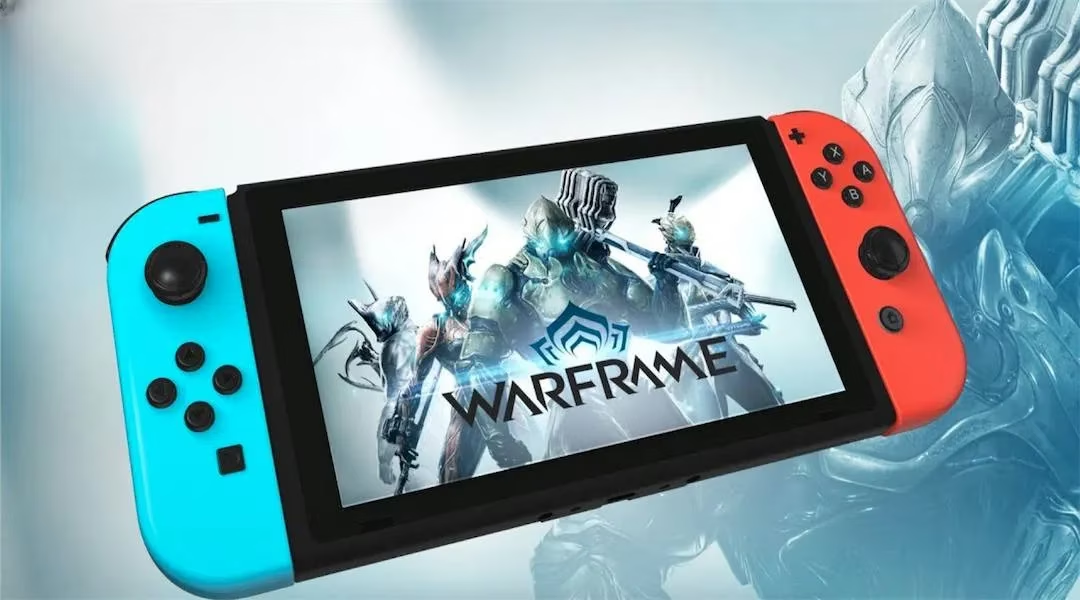
At the time, the announcement had a strange double life. Warframe had already been revealed a couple of months earlier at TennoCon, Digital Extremes' third annual Warframe convention. The studio confirmed that Panic Button would handle the Switch version. That detail was the tell. Panic Button had spent the previous year acting like a locksmith for Nintendo's hybrid console, opening doors for games that once seemed chained to other platforms. Bethesda had brought Wolfenstein 2: The New Colossus and DOOM to Switch with Panic Button's help, and those ports landed with a smoothness that felt almost rude to the old rule book. Watching Warframe join that list made the Switch feel less like a novelty and more like a serious second home for third-party games.
The Direct itself was crowded. Nintendo packed it with announcements for Switch and 3DS, including Animal Crossing for Switch and the third Luigi's Mansion installment, which was slated for 2019. But Warframe stuck in my head because it represented something bigger than one game. The Switch had launched in March 2017, and by late 2018 its library was no longer just Mario and Zelda with a few brave guests. It was becoming a genuine third-party ecosystem, a place where traditional Nintendo titles and unconventional ports could sit on the same shelf. Warframe arriving in November, just before the holiday season, felt like a deliberate invitation to players who had never owned a Nintendo console before.
I remember booting it up that winter and feeling the same odd thrill I get when a tiny café somehow serves a perfect three-course meal. The Switch version was not the maximal PC experience; it was a portable compromise, a handheld translation of a huge live-service game. But it worked. I could run missions on a train, chase alerts between errands, and treat the Switch as a pocket-sized gateway back into Warframe's universe. The port did not erase the compromises, but it made them feel like a fair trade for freedom.
What I remember most:
-
🎮 The reveal landed in a Direct crowded with Animal Crossing and Luigi's Mansion 3.
-
🛠️ Panic Button's involvement made the port feel credible before I saw a single frame.
-
🚀 November 20, 2018 put Warframe beside DOOM and Wolfenstein 2 as proof that Switch third-party support was real.
-
🌌 By 2026, crossplay and cross-save have made that original port feel like an early chapter, not a stunt.
In 2026, the context has changed. Warframe is no longer the risky newcomer testing a Nintendo platform's limits. It is a long-running live-service game with a mature cross-platform ecosystem, and the Switch version sits inside a much larger conversation about portability and account freedom. But I still think of November 20, 2018 as the day the hybrid console proved it could host a game that never looked like a natural fit. It was a hermit crab moment: Warframe found a new shell, and the shell somehow made the creature look more interesting.
Maybe that is why the memory stays. A release date is just a date until you attach a personal story to it. Mine is simple: I watched a Direct, saw an impossible port become real, and learned that the Switch's strangest strength was not raw power but possibility.